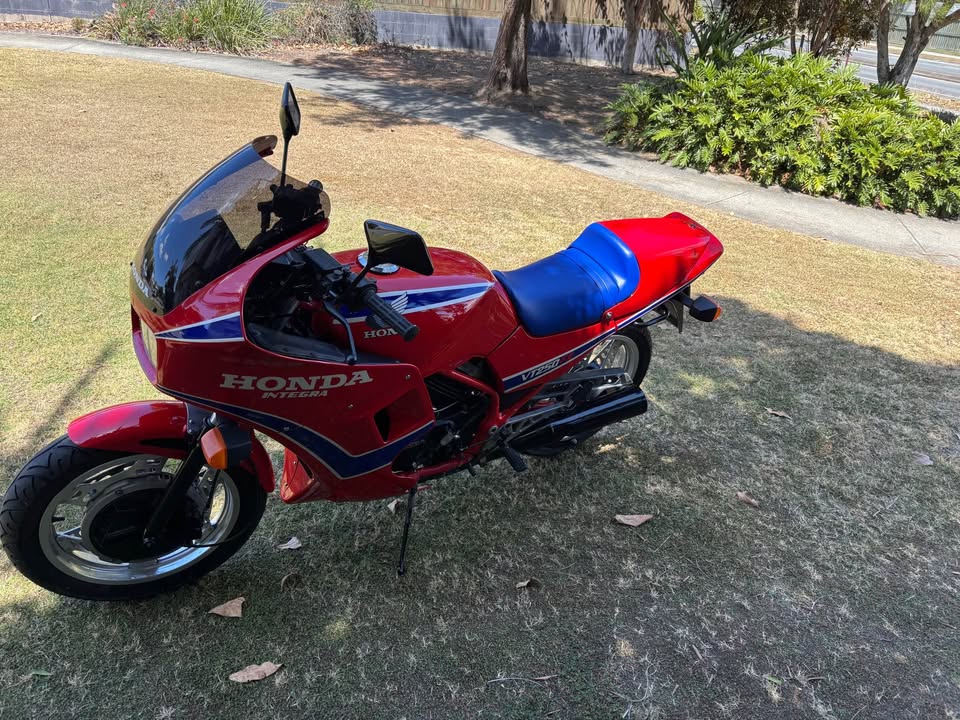
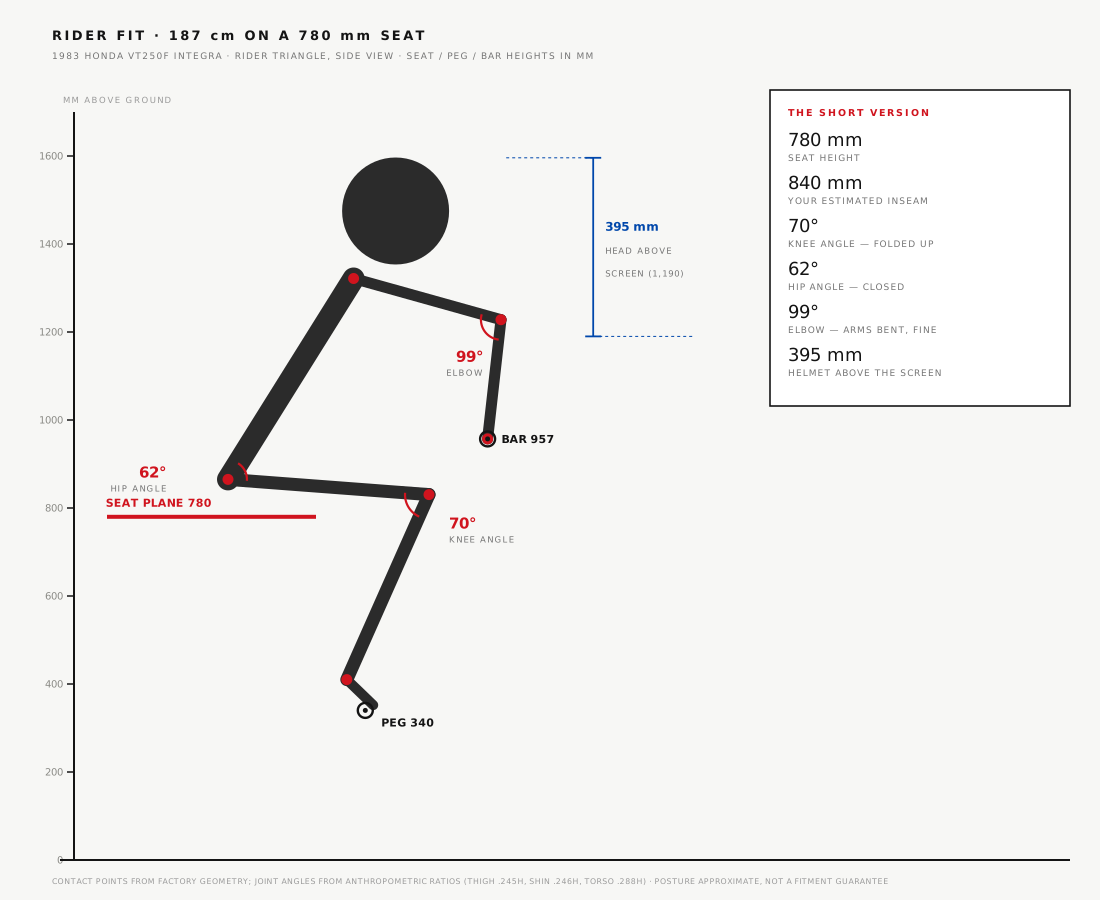
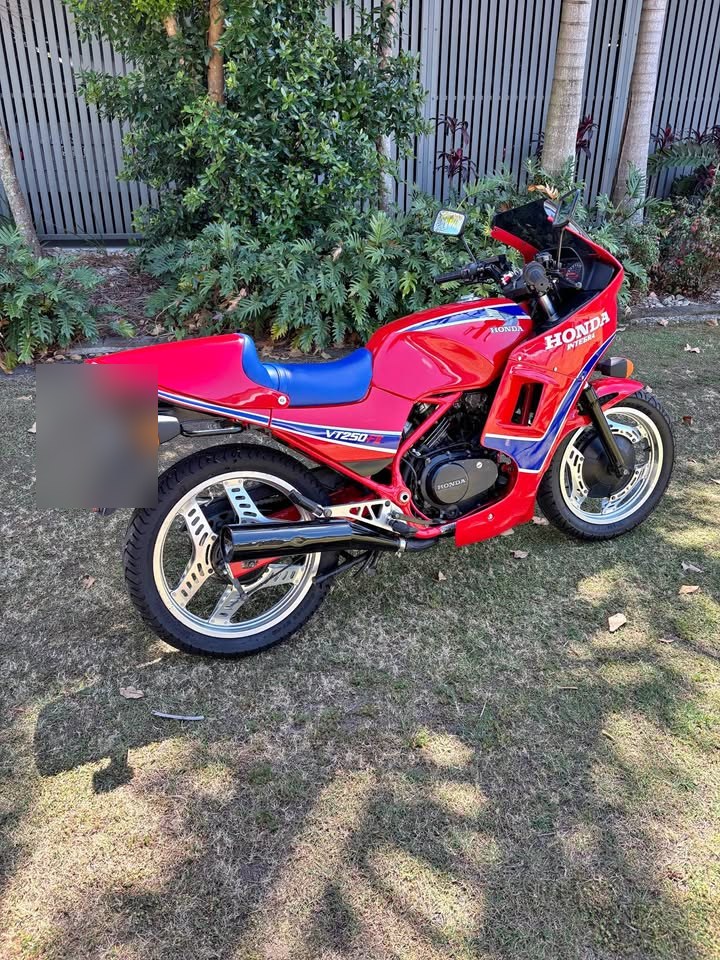
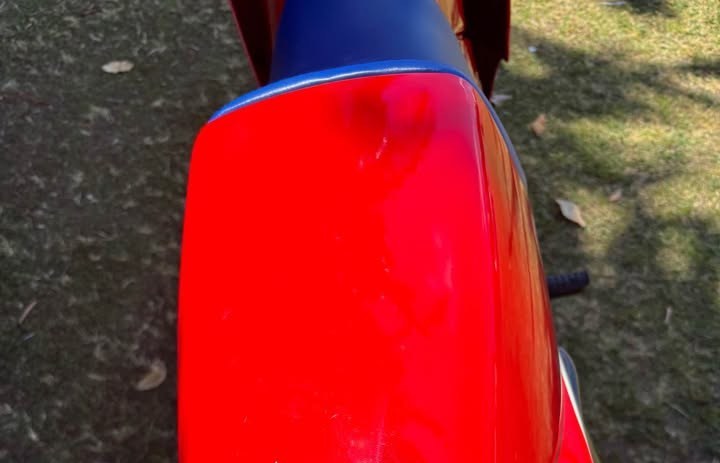
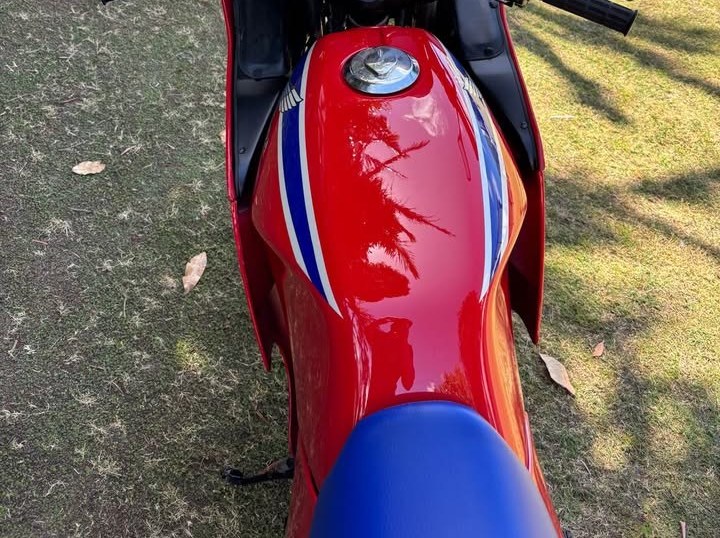
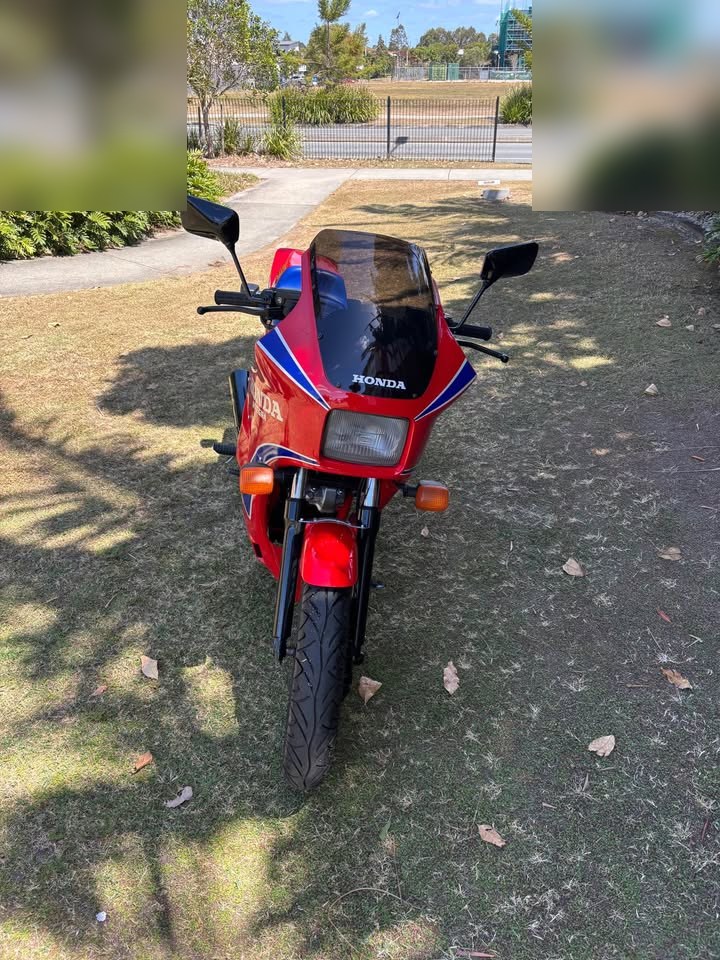
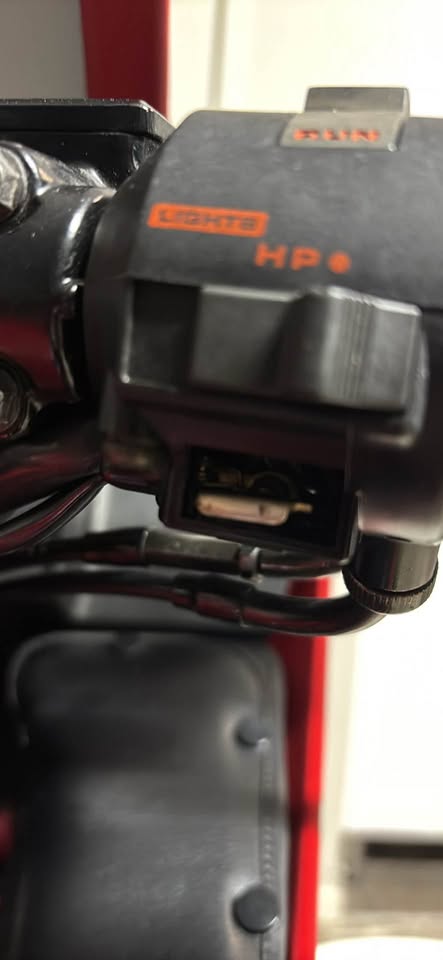
These are the failures owners and workshop threads actually report on the VT250F/MC08 family — not generic old-bike warnings. Check them in this order when you inspect.
Deal-breaker
01
Regulator / rectifier cooks itself
Mounted behind the engine, in the hottest, least-ventilated spot on the bike. They overheat, stop regulating, then either boil the battery (overcharge) or stop charging. On a 40-year-old VT this is the single most common electrical failure.
TestVoltmeter across the battery: 13.5–14.8 V at 5,000 rpm. Above 15 V means the R/R is dead — walk or budget $100–200 for a MOSFET replacement.
Deal-breaker
02
Cam chain & tensioner rattle
The tensioner is the weak point of the whole VT family. It goes soft with age, the chain slaps, and if it's ignored long enough the timing jumps. Parts are still gettable; labour isn't cheap because it's a V-twin with two heads.
ListenRattle from the top end at idle and just off idle, hot. Should be silent. Chains and tensioners are service items, not terminal — but price them in.
Costly
03
Exhaust collector rusts through
The collector box under the engine rots from the inside out. Genuine replacements are gone; used ones are usually halfway there too. A holed collector makes it loud, lean and unrideable in traffic.
LookUnder the engine with a torch, cold. Any flaking, bubbling chrome or a sooty stain at a seam means it's on the way out.
Costly
04
Carb diaphragms & airbox
CV diaphragms perish and there is no reliable supply of new ones. The carbs are awkward to remove and refit, and the airbox is famously tight in the frame. A bike that's been sitting is the worst case.
TestSnap the throttle from idle: it should pick up cleanly and return to a stable idle. Any hanging revs or a 3,000 rpm ceiling means torn diaphragms or blocked pilots.
Safety
05
Inboard front disc
Rare 1980s Honda system: the disc sits inside the wheel and the pads grip it from within. It works and it's easy to service — but pads and discs are unique to these years and the feel is wooden compared with a modern disc.
TestFirm lever, no pulsing, no scoring visible through the wheel. Check the disc isn't warped — a pulsing lever at low speed means replacement.
Safety
06
Vacuum petcock & fuel tap
The fuel tap is vacuum-operated off one carb. The rubber diaphragm perishes with age and ethanol fuel; symptoms range from fuel starvation at high rpm to fuel leaking past the tap into the engine when parked.
LookPull the vacuum hose and sniff for fuel. A tap that drips with the engine off will eventually hydraulic-lock a cylinder.
Age
07
Bottom-end bearings when run hot
The engine holds a lot of heat and owners report crankshaft bearing damage when oil level or quality is neglected. Not a design defect so much as a consequence of 12,000 rpm and 1980s oil.
ListenDeep knock under load, low oil pressure light flickering at idle, metallic sheen in the oil. Any of those is a rebuild, not a repair.
Wear
08
Swingarm bushes & collars
Bushes and collars wear and the back end starts to move. Cheap parts, fiddly job, and it's often the reason an old one feels vague in corners.
TestBike on the centrestand, grab the rear wheel and try to rock it side to side. Any play is bushes or wheel bearings.
Reality
09
Parts scarcity, and tyres
Plastics, trim and switchgear are long discontinued — used Japanese stock via Webike is the main channel. The 16-inch front and 18-inch rear sizes are getting thin on the ground in Australia too.
PlanBefore you buy, price a front tyre in 100/90-16 locally. If that's hard, everything else will be too.